

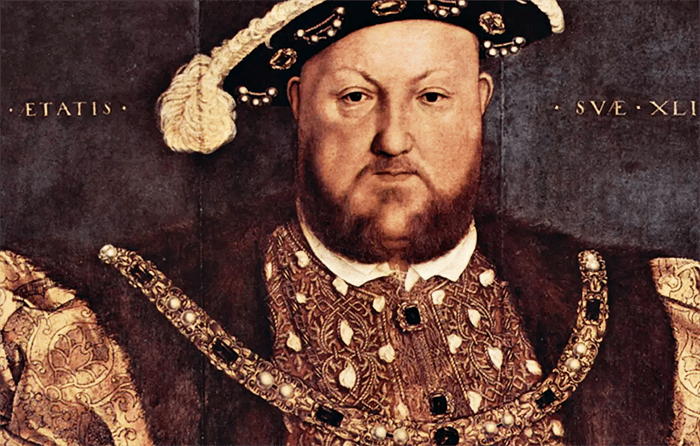
On this day, the Parliament of England passed the first Act of Supremacy which confirmed the royal supremacy of King Henry VIII of England and subsequent monarchs and stated that the reigning monarch was the supreme head of the Church of England. The wording of the act made it clear that Parliament was not granting the king the title, but was simply acknowledging an established fact. In the Act of Supremacy, Henry VIII withdrew support for the authority of the Pope and the Catholic Church and asserted the independence of the Ecclesia Anglicana. He subsequently passed the Treasons Act 1534, which stated that to disavow the Act of Supremacy was to be considered treason. Thus, the king’s control over the English religion was absolute and those who held to Catholic beliefs were swiftly punished. The most famous public figure to resist the Treasons Act was Sir Thomas More, who was convicted of treason and executed by beheading.

Puoi trovare altre brevi notizie storiche QUI

Your comments are always very welcome.

 Ingliando