
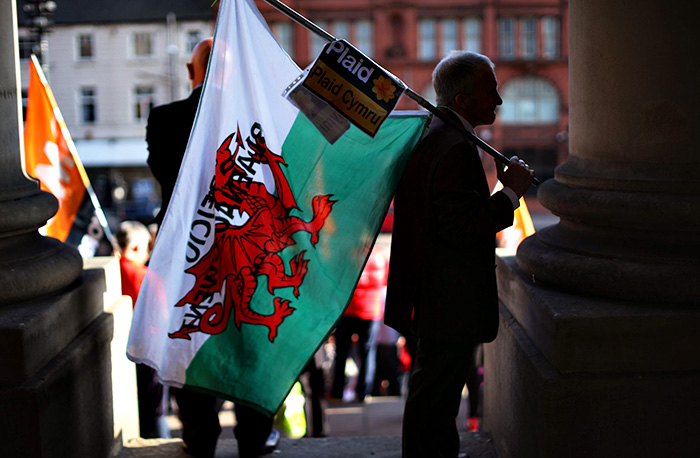
The Founding of Plaid Genedlaethol Cymru

5th August 1925

On this day, a centre-left, Welsh nationalist political party Plaid Genedlaethol Cymru (the National Party of Wales) was founded with the explicit aim of keeping the Welsh language alive and making it the only official language of Wales. By the 1930s, the aims of self-government and Welsh representation at the League of Nations had been added to that of preserving the Welsh language and culture, but it was not until the 1950s that Plaid Cymru (as it now began to refer to itself) matured into a more recognisable political party. In 1997 the National Assembly for Wales, known locally as the Senedd, was established as a form of regional government. Over the years, the fortunes of the party have oscillated considerably, but its percentage of the vote has never gone beyond the 14.3% that it gained in the 2001 general election.

Puoi trovare altre brevi notizie storiche QUI


Your comments are always very welcome.
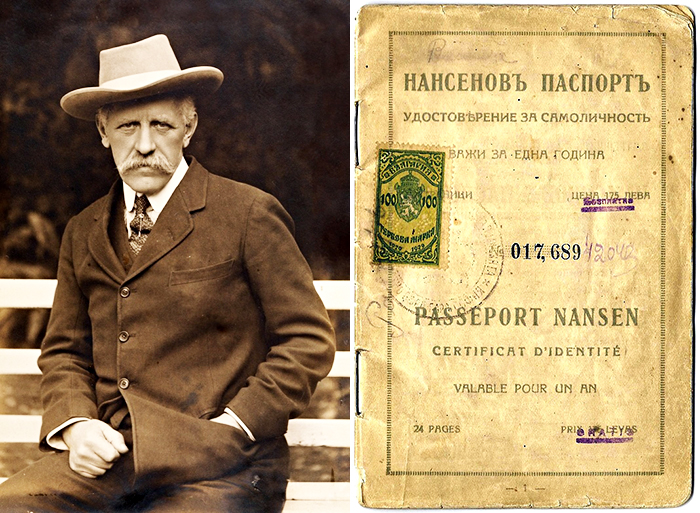

Birth of the Nansen Passport

5th July 1922

On this day, the League of Nations signed an “Arrangement with regard to the issue of certificates of identity to Russian refugees”. The result of the arrangement was the birth of the Stateless Persons Passport, proposed by the League of Nation’s High Commissioner, Fridtjof Nansen, and commonly known as the “Nansen Passport”. The end of World War I had led to a refugee crisis which had been particularly exacerbated by the new government of the Soviet Union revoking the citizenship of Russians living abroad, including some 800,000 refugees from the Russian Civil War. The Nansen Passports were internationally recognised refugee travel documents and by 1942, they were honoured by the governments of 52 countries. When Nansen won the Nobel Peace Prize in 1922 for his humanitarian work, he donated the prize money to international relief efforts.

Puoi trovare altre brevi notizie storiche QUI


Your comments are always very welcome.