Epping Forest: The People’s Forest

6th May 1882

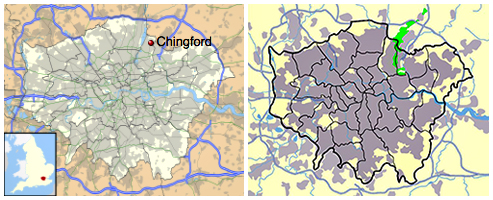
On this day, Queen Victoria made a royal visit to Chingford, a town about 14 km north-east of London and bordering on the southern side of Epping Forest. During her visit, the Queen declared, “It gives me the greatest satisfaction to dedicate this beautiful forest to the use and enjoyment of my people for all time.” From that day onwards, Epping Forest became known as ‘The People’s Forest’. Long, but not very wide, the main body of the forest stretches northwards from Chingford to Epping, while South of Chingford the forest narrows, and forms a green corridor that extends deep into east London, giving rise to the more modern nickname, ‘The Cockney Paradise’. When the forest was threatened with privatisation in the late 19th century, the huge public outcry led the City of London Corporation to buy and save the site in what was the first major success of the environmental movement in Europe.
Puoi trovare altre brevi notizie storiche QUI


Your comments are always very welcome.

The Debut of the Penny Black

1st May 1840

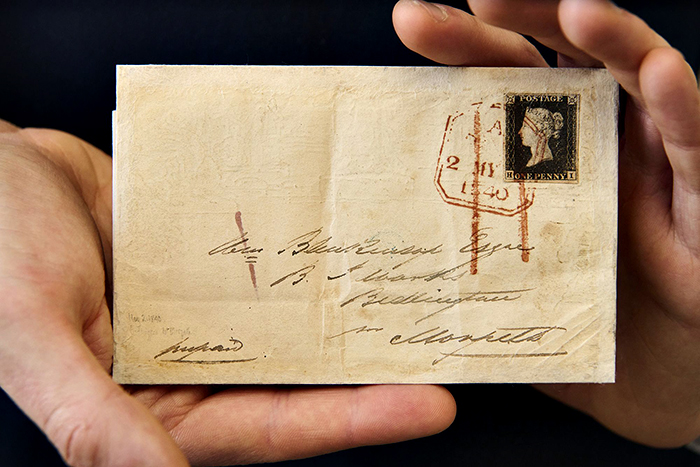
On this day, the world’s first adhesive postage stamp used in a public postal system, the ‘Penny Black’, featuring a profile of Queen Victoria, was issued in the United Kingdom. The idea of a pre-paid adhesive postage stamp was the brainchild of the teacher, inventor and social reformer, Sir Rowland Hill, who is generally regarded as being the originator of the basic concepts of the modern postal service. Prior to the advent of Hill’s invention, all post was paid for by the recipient and was relatively expensive. Hill was convinced that that if letters were cheaper to send, people, including the poorer classes, would send more of them, and eventually profits would go up. In fact, in the first year of the ‘penny post’ the number of letters sent in the UK more than doubled.

Puoi trovare altre brevi notizie storiche QUI


Your comments are always very welcome.

State Funeral for Queen Victoria

2nd February 1901

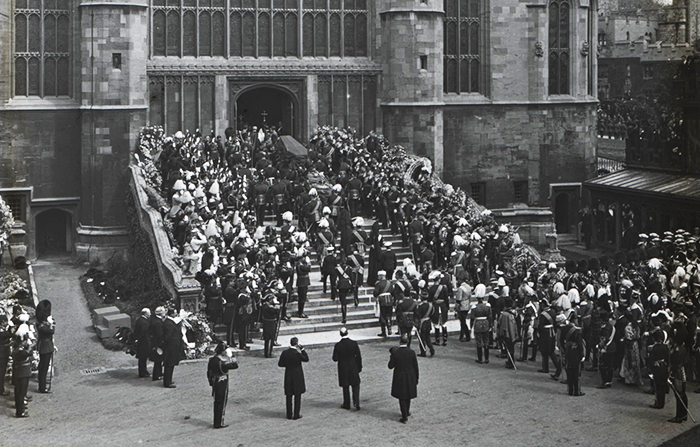
On this day, a state funeral was held in St. George’s Chapel in Windsor Castle, for the death of Queen Victoria. As the daughter of a soldier and the head of the army, Victoria left clear instructions that she wanted a military state funeral which caused a certain amount of panic because after 63 years on the throne, there was nobody alive who could remember how to bury a monarch, let alone how to organise a full military state funeral. Victoria also instructed that, although she had worn black since her husband Albert’s death in 1861, she wished to be dressed in white for her funeral and burial. With her death came the end of what would be known in history as the ‘Victorian Era’, a period in which the British Empire expanded and became the predominant power in the world and literacy and childhood education became almost universal in Great Britain.

Puoi trovare altre brevi notizie storiche QUI


Your comments are always very welcome.

Military Honour Victoria Cross Created

29th January 1856

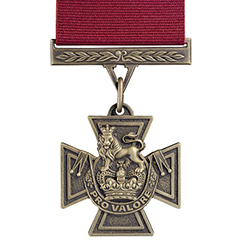
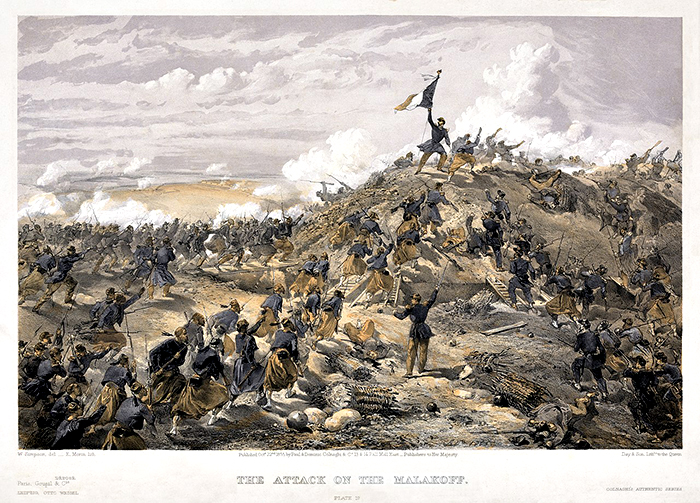
On this day a warrant was issued by Queen Victoria creating a new military honour to be known as the Victoria Cross. It was to be awardedto those officers or men who have served Us in the presence of the Enemy and shall then have performed some signal act of valour or devotion to their country.” The Crimean War was coming to a victorious end for the alliance of the Ottoman Empire, Britain, France and Sardinia against the Russian Empire, and with war correspondents reporting from the front for the first time, it was felt that a medal for valour was needed that was open to common soldiers and not just to officers. It was Victoria’s husband, Albert, who first suggested the simple name, Victoria Cross.

Puoi trovare altre brevi notizie storiche QUI


Your comments are always very welcome.