


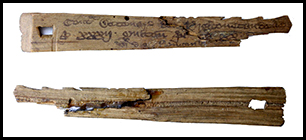
On this day, the Palace of Westminster, the medieval royal palace used as the home of the British parliament, was largely destroyed by fire. The blaze was caused by the burning of small wooden tally sticks which had been used as part of the accounting procedures of the Exchequer until 1826. The sticks were disposed of carelessly in the two furnaces under the House of Lords, which caused a fire in the two flues that ran under the floor of the Lords’ chamber and up through the walls. The resulting fire spread rapidly throughout the complex and developed into the largest conflagration in London between the Great Fire of 1666 and the Blitz of the Second World War. The actions of Superintendent James Braidwood of the London Fire Engine Establishment ensured that Westminster Hall and a few other parts of the old Houses of Parliament survived the blaze.
Puoi trovare altre brevi notizie storiche QUI

Your comments are always very welcome.

 Ingliando
There’s something rather perfectly circular about obsolete bureaucracy literally incinerating the seat of bureaucracy itself – a fiscal metaphor made flesh, as it were. One imagines the tally sticks had their revenge for being rendered redundant. Thank goodness Braidwood had more sense than the accountants.
LikeLiked by 1 person
Considering London’s past experiences with fire, one would have thought that a little more attention might have been paid to the safe disposal of the tally sticks! I wonder if we actually learn from history or just keep on making the same mistakes in different circumstances.
LikeLiked by 1 person