


This article is republished from The Conversation under a Creative Commons licence
by
Manos Tsakiris, Royal Holloway University of London
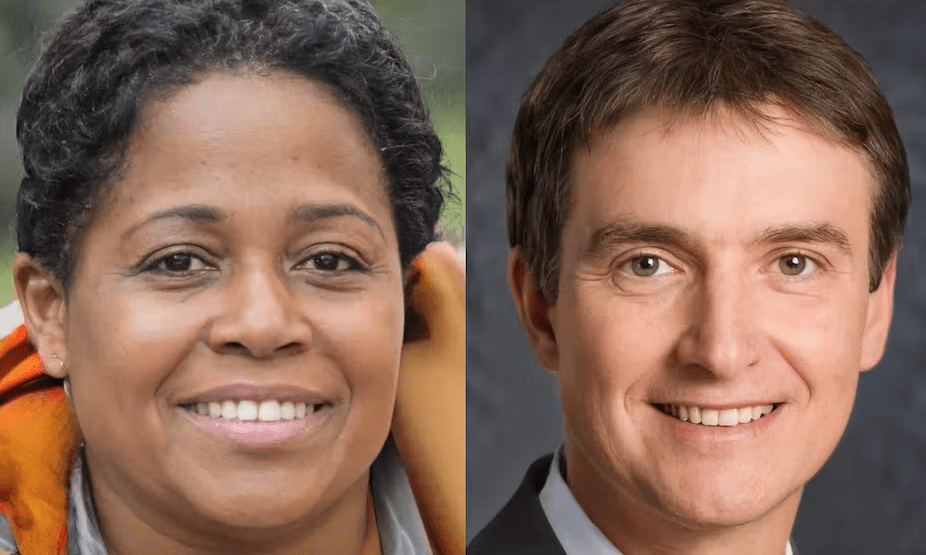
Even if you think you are good at analysing faces, research shows many people cannot reliably distinguish between photos of real faces and images that have been computer-generated. This is particularly problematic now that computer systems can create realistic-looking photos of people who don’t exist.
Recently, a fake LinkedIn profile with a computer-generated profile picture made the news because it successfully connected with US officials and other influential individuals on the networking platform, for example. Counter-intelligence experts even say that spies routinely create phantom profiles with such pictures to home in on foreign targets over social media.
These deep fakes are becoming widespread in everyday culture which means people should be more aware of how they’re being used in marketing, advertising and social media. The images are also being used for malicious purposes, such as political propaganda, espionage and information warfare.
Continua a leggere… Ingliando