
This article is republished from The Conversation under a Creative Commons licence
by
Alexandre Christoyannopoulos, Loughborough University
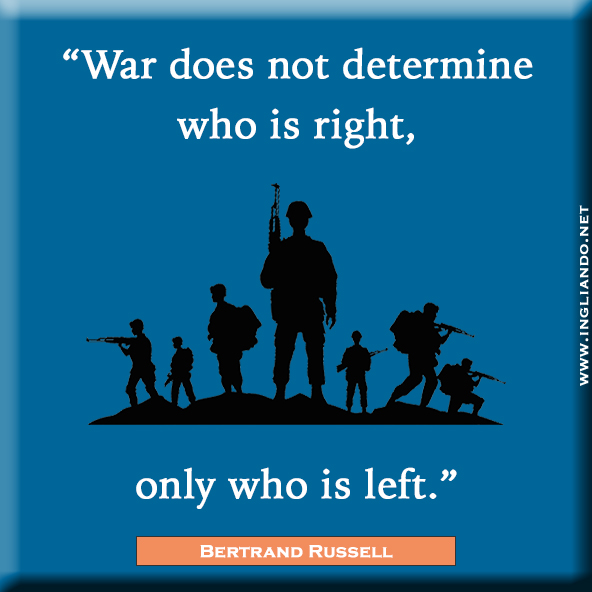
In speeches, commentaries and conversations about the coronavirus pandemic, we keep hearing war-like metaphors being deployed. It happens explicitly (“we are at war”, “blitz spirit”, “war cabinet”) and implicitly (“threat”, “invisible enemy”, “frontline”, “duty”).
This, after all, helps project an interpretation of the extraordinary reality facing us which is readily understandable. It helps convey a sense of exceptional mobilisation and offers to decision-makers an opportunity to rise up as heroic commanders.
It is also true that the language of biomedicine and epidemiology is already heavily militarised. We “battle” a virus, and our body has “defence” mechanisms against the pathogens that “invade” it.
But the coronavirus crisis is an international, pan-human challenge. It certainly requires exceptional collective mobilisation, but no real weapons, no intentional killing of fellow human beings, and no casting of people as dehumanised others. Militarised language is unnecessary.
Continua a leggere…




 Ingliando